


Fort Lauderdale is world-famous for its lacework of waterways, earning its long-standing nickname, The Venice of America.
For many buyers, the idea of stepping out their back door and onto a boat feels like the ultimate South Florida lifestyle upgrade. But owning waterfront property here isn’t just about the view or the breeze—it’s about the logistics hidden beneath the surface.
Canal width, bridge heights, water depth, and docking regulations all play a role in determining whether a property truly works for your boating needs.
Understanding these details upfront can save buyers from costly surprises and ensure the home supports their lifestyle long term, especially when shopping for Fort Lauderdale canal homes.
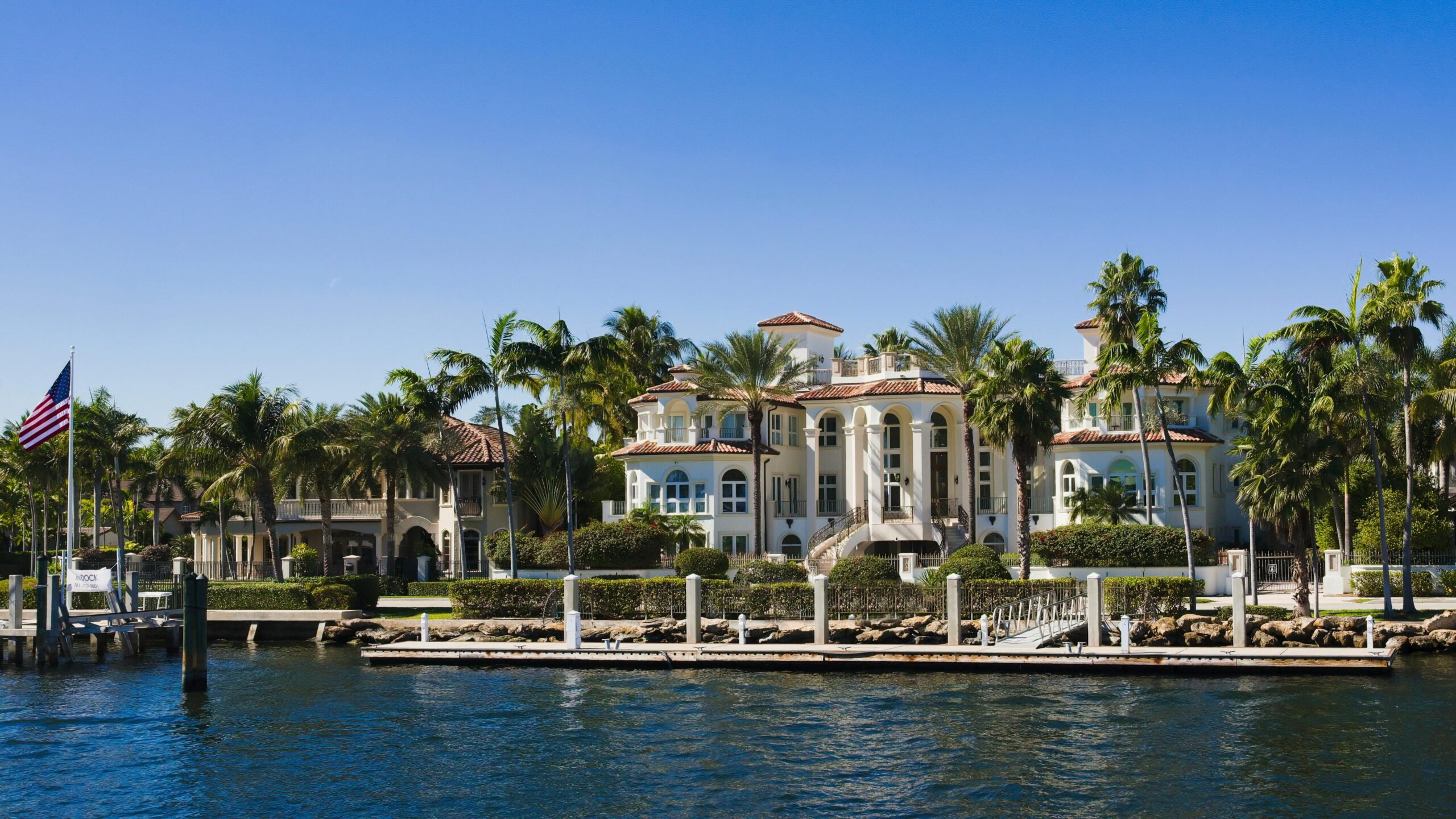
What to Know Before Buying Fort Lauderdale Canal Homes
Buying Fort Lauderdale canal homes requires verifying fixed bridge clearance and water depth to ensure your vessel fits.
Buyers prioritizing unrestricted boating should focus on neighborhoods with no fixed bridges, while those with smaller boats can find better value behind bridges further inland along the Fort Lauderdale canals.
At its core, waterfront buying here starts with your boat, not the house. Length, draft, and air draft will determine which neighborhoods are realistic options—and which ones aren’t.
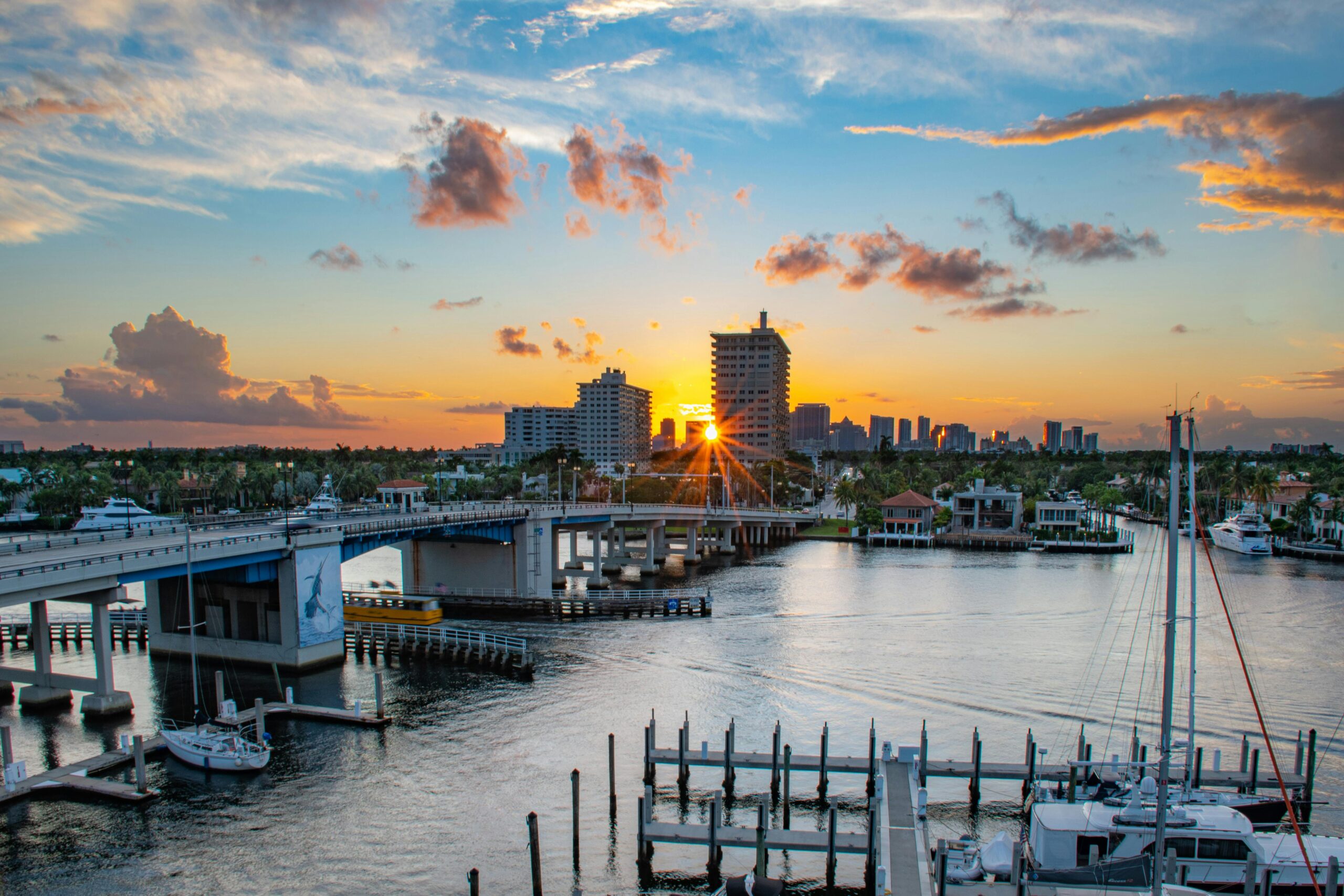
Understanding Fixed Bridge Clearance
The Height Restriction
Fixed bridge clearance is the vertical distance between the water’s surface at high tide and the bottom of a bridge. This measurement determines the maximum height a boat can be to safely pass underneath without striking the bridge.
In Fort Lauderdale, bridge clearances vary widely depending on location. Some inland routes may only allow vessels under 8–10 feet, while routes closer to the Intracoastal Waterway typically offer higher clearances.
Impact on Value
This single factor dramatically affects property value.
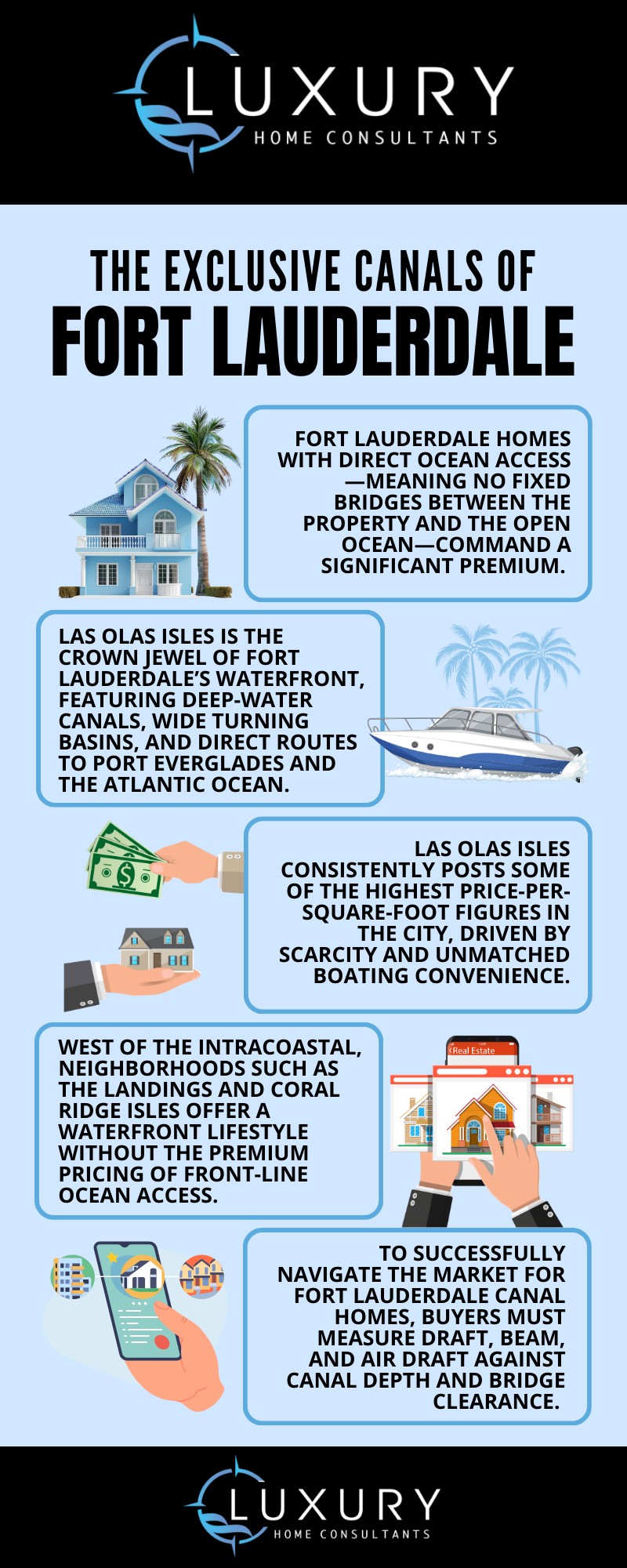
Homes with direct ocean access—meaning no fixed bridges between the property and the open ocean—command a significant premium. These properties accommodate sailboats, yachts with flybridges, and taller vessels.
Homes located behind bridges are limited to smaller powerboats and tend to trade at lower price points, even when the homes themselves are similar in size and condition.
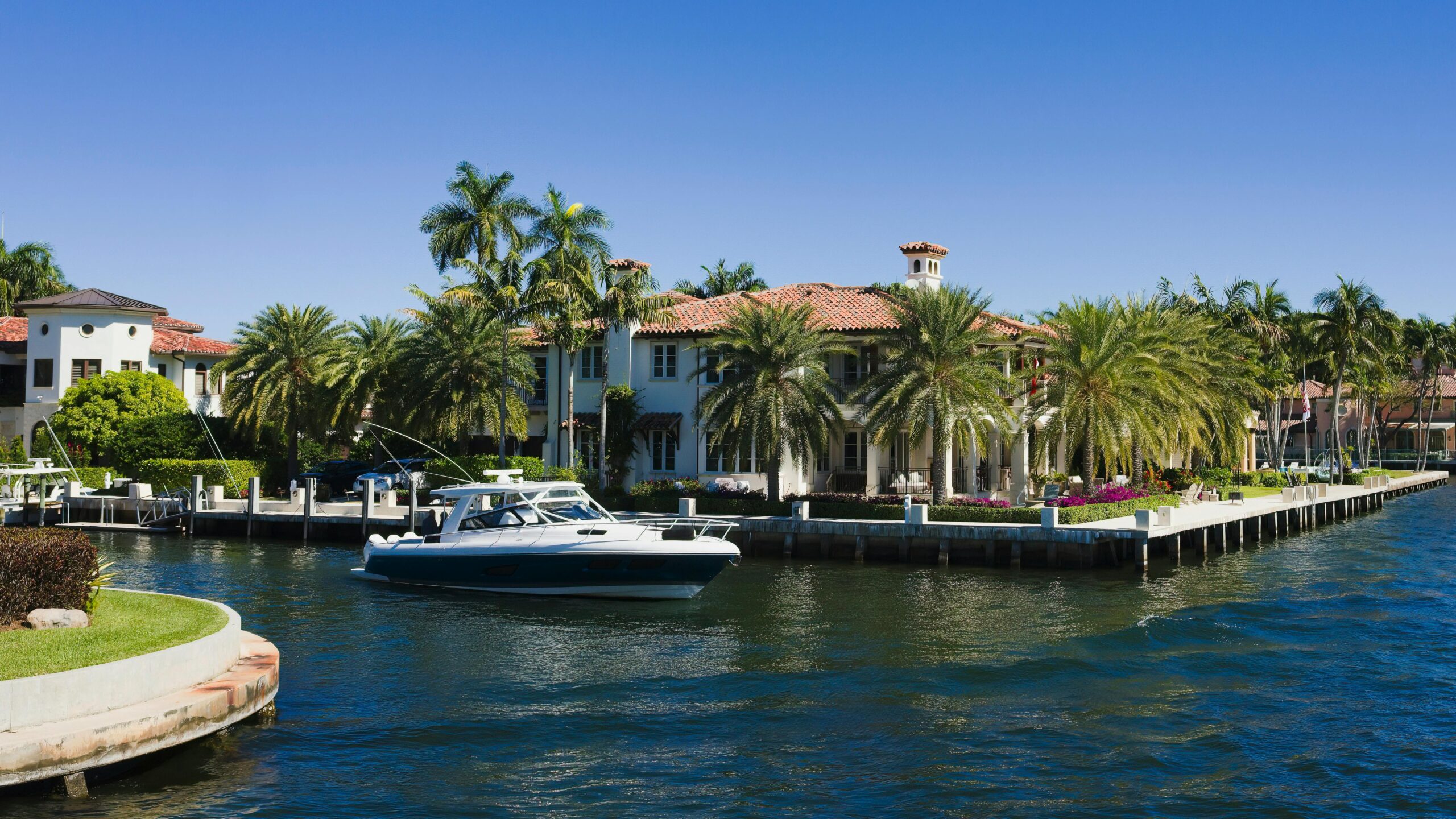
Las Olas Isles vs. Inland Canals
The Finger Isles
Las Olas Isles is widely considered the crown jewel of Fort Lauderdale’s waterfront. These finger-style islands feature deep-water canals, wide turning basins, and direct routes to Port Everglades and the Atlantic Ocean.
The canals are designed to accommodate large yachts, and many homes feature 100 feet or more of waterfrontage. As a result, Las Olas Isles consistently posts some of the highest price-per-square-foot figures in the city, driven by scarcity and unmatched boating convenience.
Inland Value
West of the Intracoastal, neighborhoods such as The Landings and Coral Ridge Isles still offer waterfront living, but with trade-offs.
Buyers may encounter fixed bridges, narrower canals, and longer idle-speed cruise times to reach open water. For owners of smaller powerboats, this can be a smart value play—waterfront lifestyle without the premium pricing of front-line ocean access.
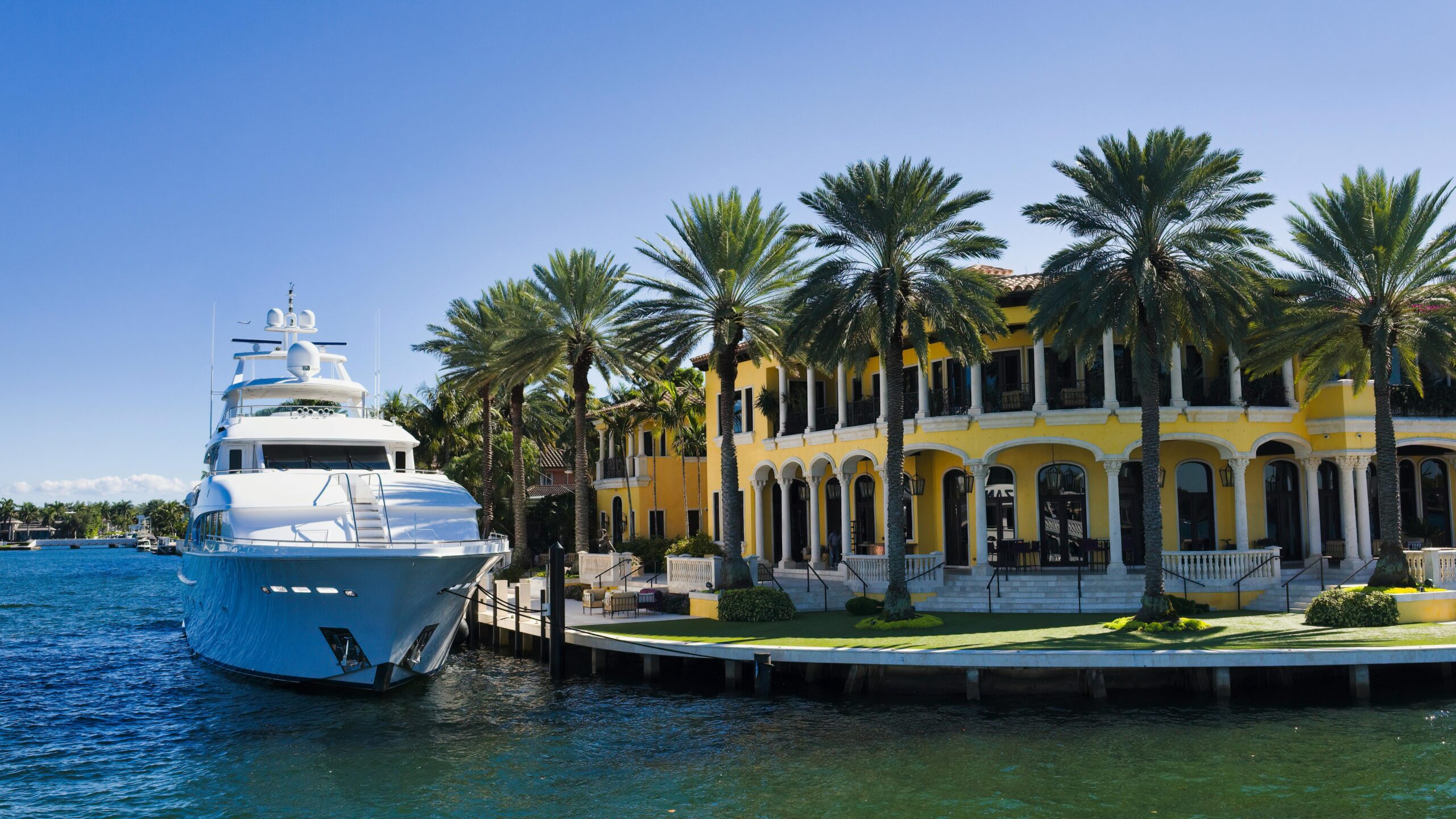
Why Waterfront Setback Rules Matter
Docking Legalities
Waterfront setback rules are municipal regulations that limit how far a boat or dock can extend into a canal. These rules typically:
- Restrict encroachment to about 30% of the canal width
- Ensure safe passage for navigation and emergency access
- Prevent boats from blocking turning basins or neighboring docks
These rules are strictly enforced and reviewed during dock permitting.
Beam Width
A common mistake buyers make is focusing only on frontage length. Canal width and setbacks are equally important.
A wide-beam catamaran may technically fit along the seawall, but if setbacks limit how far it can extend into a narrow canal, docking may not be permitted. This is why experienced buyers always verify both canal dimensions and local regulations before committing.
Ocean Access Comparison Table
This framework helps buyers quickly align property type with boating goals and budget.
Frequently Asked Questions
How wide are the canals in Las Olas Isles?
Canal widths generally range from 100 to over 150 feet, allowing large vessels to maneuver comfortably.
Do all Fort Lauderdale canal homes have ocean access?
No. Some canals are landlocked or blocked by fixed bridges, limiting or eliminating access to the Intracoastal or ocean.
What is the average fixed bridge clearance in Fort Lauderdale?
Clearances vary widely but commonly range from 8 to 25 feet, depending on location and tide.
Who is responsible for maintaining the seawall in Fort Lauderdale?
The property owner is responsible for seawall maintenance and replacement.
Are there wake restrictions in the Fort Lauderdale canals?
Yes. Most canals are idle-speed or no-wake zones to prevent erosion and property damage.
How much does a dock permit cost in Fort Lauderdale?
Costs vary but typically range from several hundred to several thousand dollars, depending on scope and approvals.
Can I live on my boat if it is docked behind my house?
Generally no. Liveaboard use is restricted in most residential canals under local zoning codes.
Key Takeaway: Know Your Vessel
The perfect waterfront home starts with understanding your boat. To successfully navigate the market for Fort Lauderdale canal homes, buyers must measure draft, beam, and air draft against canal depth and bridge clearance.
Prioritizing ocean access real estate not only ensures functional boating today but also protects long-term value within the uniquely structured Fort Lauderdale canals.
Whether you’re searching for deep-water dockage, direct routes to the Atlantic, or a value-driven canal home that still delivers waterfront living, expert guidance makes all the difference.
Call 954.359.4500 or email wjb@luxuryhomeconsultants.com to start a conversation and navigate Fort Lauderdale’s waterfront market with confidence.